

A self-made chef’s take on respecting what you’re given

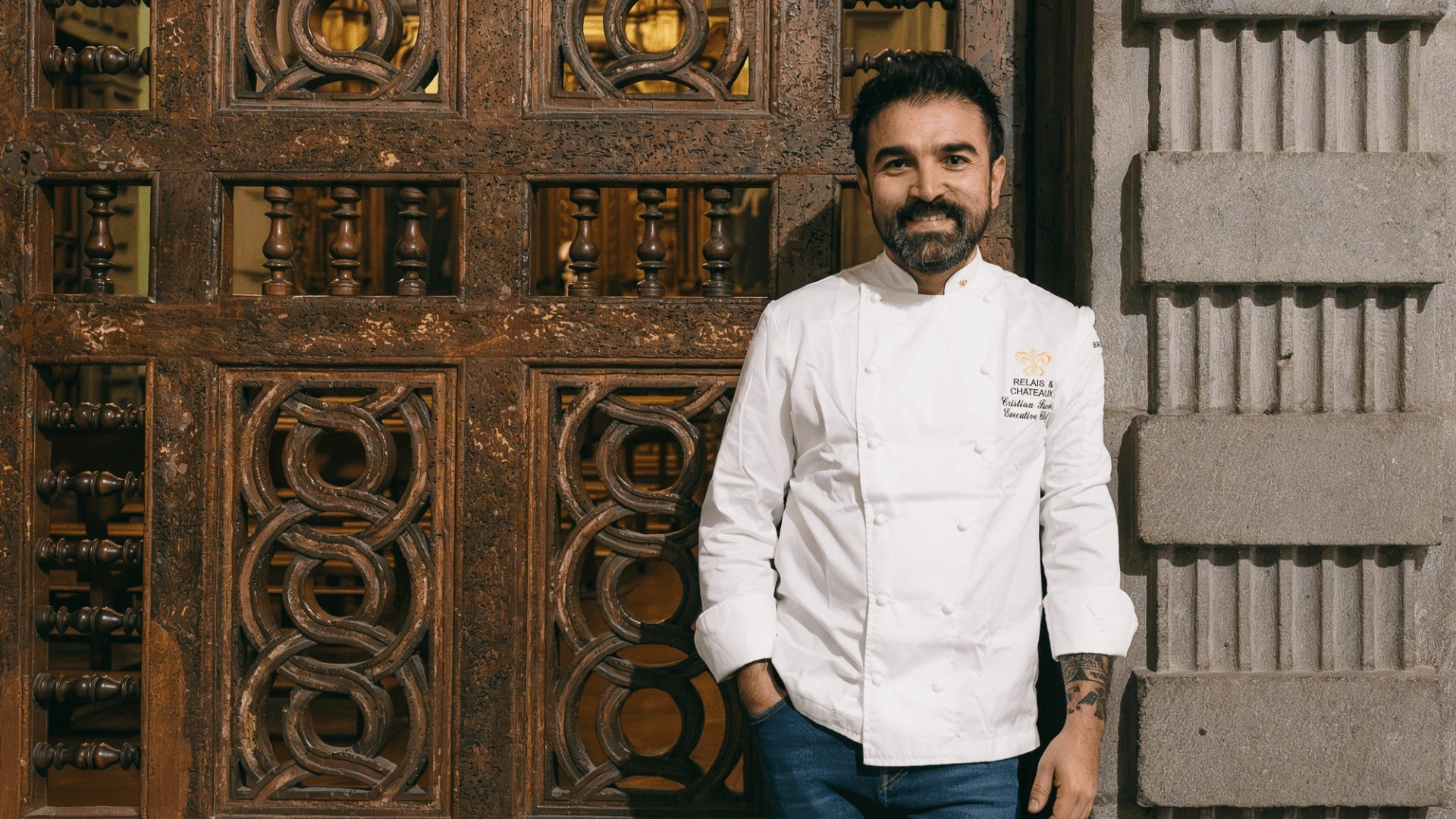
Ivan Tisdall-Downes spent nearly a decade building Native into a Michelin Green Star restaurant, known for its foraged, seasonal cooking, after training at River Cottage and Blue Hill at Stone Barns. He represented London on BBC’s Great British Menu, and now, 15 years into his career, he’s bringing everything he’s learned about waste to his new restaurant, Field Notes.
Catch a glimpse behind the scenes on Instagram: @chefivantd
Do you think the hospitality industry is moving fast enough on waste reduction? And if not, what’s holding it back?
As an industry we are highly scrutinised in everything that we do and so I think we are pretty much leading the way on waste reduction and it is immensely pleasing to see how many major companies want to align with sustainably driven food businesses.
I think our industry is held back by the uncertainty of where our general waste and recycling actually ends up. In the cities in particular, even though waste is separated at pretty much every restaurant, I always see it chucked into the back of the same truck.
What got you personally invested in sustainability and tackling food waste? Was there a moment, or did it build over time?
For me, it was there from the get go. I fell into the food industry through a love of foraging and fishing, and when you commit to the time it takes to catch a fish or collect a kilo of sloe berries, you want to make sure that not of that time or ingredient goes to waste.
When I started my cooking career and began to meet and build a relationship with farmers, the same thing applied: I saw the effort and care that went in to creating their product and so it was important to respect the ingredient and grower and use everything possible.
When I opened my first restaurant, there was also a huge financial implication to tackling food waste.
The more waste, the more big bags, the more bin collections, the more money it cost.
If I could create tasty dishes or components from every single piece of food that came through my kitchen, my GP looked a lot healthier.
Has a guest ever said or done something that changed how you think about what ends up in the bin?
Very rarely.
Guests at my restaurant tend to not question much and generally are very open minded to everything. I’ve even had guests trying to eat the hay off of a plate that we use for decoration.
It’s a real honour that they come with such an open mind.

What’s the best mistake your kitchen made when it comes to waste?
We accidentally ordered C-fold hand towels instead of Blue Roll one week, which turned out to be a happy accident.
Upon further research it became apparent that due to the synthetic dyes and chemicals that are added to the paper during the manufacturing process, blue hand roll cannot be recycled, even in a pristine state, and will not break down in landfill – whereas products that have not been chemically treated will.
Do you have a specific number that captures your impact on food waste?
It is hard to track a reduction in processes that we haven’t participated in from day one, but a great statement to always remember is: By 2050, on current track, oceans are expected to contain more plastics than fish (by weight).
What’s one waste habit from your kitchen that others should steal?
Eliminate cling film. It’s easy once you commit to it.
Tupperware containers, takeaway containers, plastic or metal gastro pans with lids are all easily available.
It may seem like a financial commitment at first but you’ll save money (and the environment) in the long run.
If you had to leave one piece of advice for someone trying to cut waste in their kitchen, what would it be?
Look beyond the plate.
Tackling waste isn’t just about the food you consume. Can the corn husks or tree trimmings be used to cook over instead of buying charcoal that damages forest? Can your apple cores make a cleaning vinegar or animal fat make soap.
This is where challenging “waste” can get really exciting and creative.
WRITTEN BY:
KITRO
SHARE THIS: