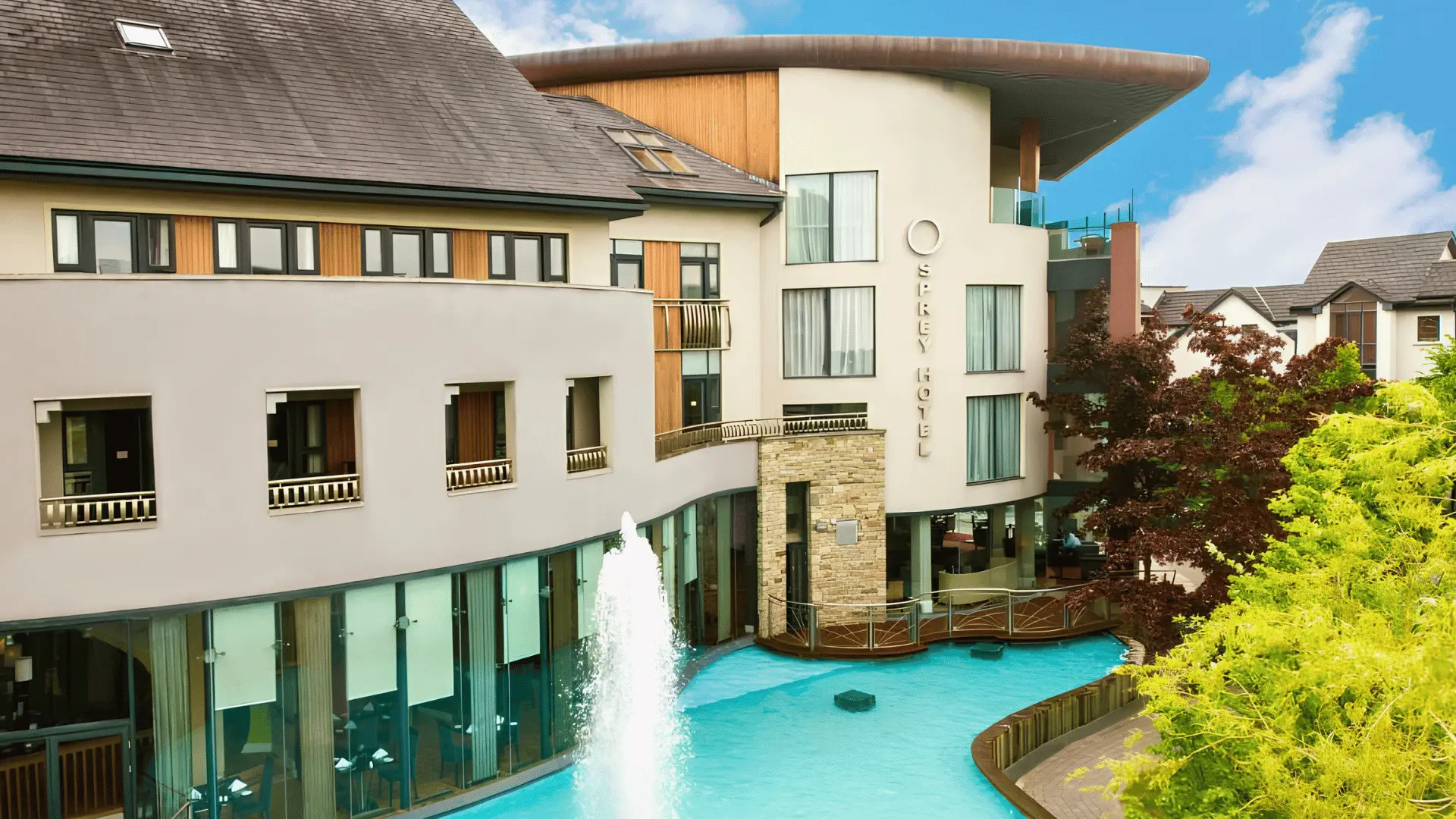


The unique waste perspective of a Galápagos Islands chef
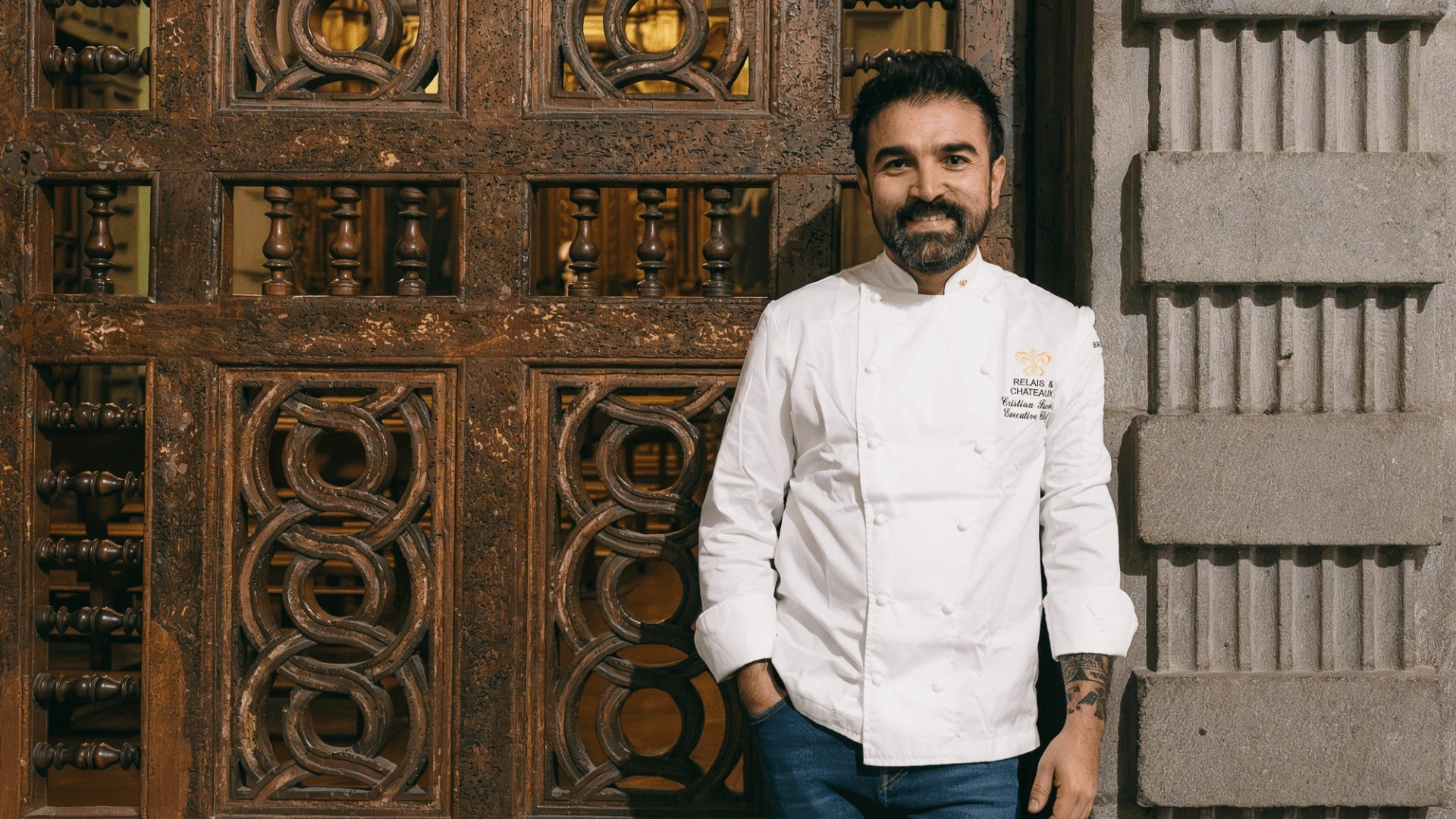
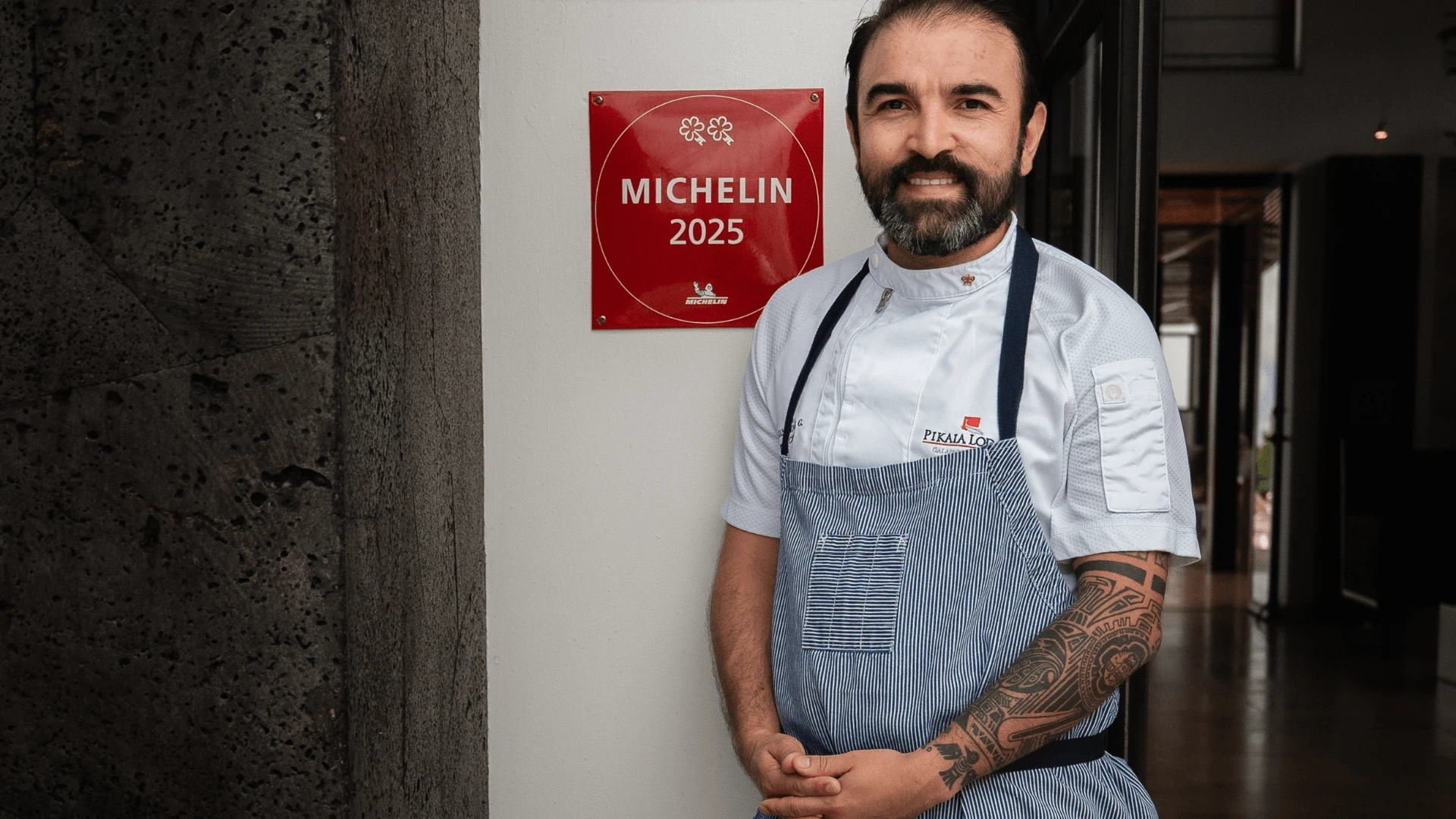
Cristian Puente G. has spent 18 years in professional kitchens, but the last chapter has been extraordinary. As Executive Chef of Pikaia Lodge – a Relais & Châteaux property widely recognized as the most sustainable luxury eco-lodge in the Galápagos Islands – he cooks in one of the world’s most protected ecosystems, where nothing can go to waste without consequence. In 2025, the lodge earned MICHELIN Keys and Cristian was named to The Best Chef Awards.
Catch a glimpse behind the scenes on Instagram: @cristian_puente_g
Do you think the hospitality industry is moving fast enough on waste reduction? And if not, what’s holding it back?
I think the industry is moving, but not fast enough. A lot of hospitality still communicates sustainability better than it actually operates it.
The difficult part is not creating discourse around waste reduction; the difficult part is redesigning systems, purchasing habits, menus and operational culture around it.
Working in the Galápagos changes your perspective very quickly because logistics force you to understand the real cost of every product that enters the islands. Waste here is not abstract. Every box, every ingredient and every mistake has a direct environmental and operational impact.
What still holds many operations back is convenience. True waste reduction requires discipline, consistency and often letting go of ego in the kitchen. Sometimes the most sustainable decision is not the most spectacular one.
What got you personally invested in sustainability and tackling food waste? Was there a moment, or did it build over time?
It definitely built over time, but the Galápagos accelerated everything. When you work in an ecosystem this fragile, sustainability stops being a marketing angle and becomes a daily operational condition. You begin questioning everything differently: sourcing, preservation, portioning, transportation, seasonality and even guest expectations.
I also grew up professionally in kitchens where precision and respect for product were deeply valued. Over the years I understood that waste is often not a product problem; it is usually a systems problem.
Today, sustainability for me is not about trying to look “green.” It is about coherence between what we say, what we buy, what we cook and what we throw away.
Has a guest ever said or done something that changed how you think about what ends up in the bin?
Yes. A guest once told me something very simple after a dinner in Pikaia: “You can feel when a kitchen respects its ingredients.” That stayed with me because guests notice much more than we think. Not necessarily through technical explanations, but through the energy and intention behind the experience.
Since then, I’ve become even more conscious that reducing waste is not only operational efficiency – it also affects flavor, creativity and the emotional honesty of a menu. Sometimes the best luxury experience is not excess. It is precision.

What’s the biggest (or best) mistake your kitchen made when it comes to waste?
Probably trying too hard to overproduce in the name of perfection. At one point we believed abundance created security in service. In reality, it created unnecessary pressure, overproduction and disconnect from the natural rhythm of product availability on the islands.
One of the best operational lessons we learned was understanding that a menu can evolve around limitation instead of fighting against it. Now many of our best dishes exist because we stopped forcing consistency and started listening more carefully to the territory.
Do you have a specific number that captures your impact on food waste?
One number I always mention internally is this: In the Galápagos, reducing even a single unnecessary weekly shipment already has a measurable impact. Because of our isolation, better planning does not only reduce waste inside the kitchen – it reduces transportation, storage pressure and operational risk across the entire supply chain.
For us, sustainability is not measured only in kilos discarded. It is measured in how intelligently we avoid unnecessary movement from the beginning.
What’s one waste habit from your kitchen that others should steal?
Tracking small losses obsessively.
Most kitchens only notice waste when it becomes economically dramatic. But real improvement happens when teams start paying attention to the invisible losses: herbs discarded during prep, over-trimmed fish, garnish duplication, mise en place produced “just in case.”
We spend a lot of time teaching our team that waste is usually a sequence of small normalized decisions, not one big mistake. Once teams understand that, the entire culture changes.
If you had to leave one piece of advice for someone trying to cut waste in their kitchen, what would it be?
Stop treating waste as a sustainability department issue.
Waste reduction starts with culture. It starts with how chefs teach younger cooks to clean a fish, how purchasing is organized, how menus are designed and how teams emotionally relate to ingredients.
If people only reduce waste because management tells them to, it will never last. But when teams understand the value, effort and territory behind each product, respect naturally appears – and waste begins to decrease almost by itself.
WRITTEN BY:
KITRO
SHARE THIS: