


🇪🇺 EU Food Waste Compliance 2026: What hospitality operators need to know
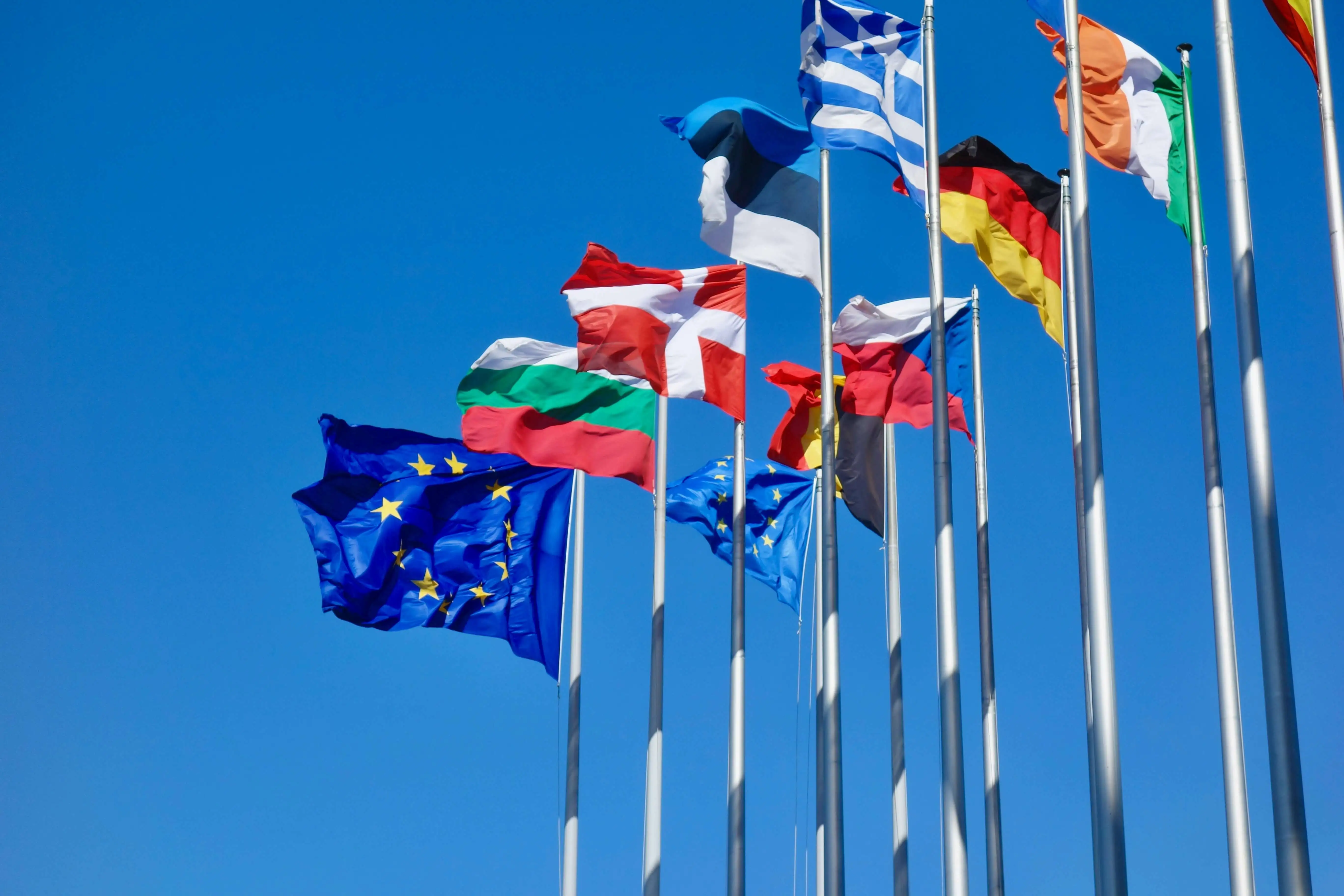
Food waste reduction is shifting from voluntary to mandatory. The EU set binding targets in 2025; national governments are turning them into law. Across Europe, operators face the same requirement: measure, report, and reduce. This blog covers regulations, timelines, and enforcement across four key markets.
Reductions Are NOW Mandatory
Food waste is no longer just an operational challenge. The EU Waste Framework Directive and Corporate Sustainability Reporting Directive (CSRD) are setting binding targets and reporting requirements. National governments are following with their own mandates. What was optional five years ago is now expected – and in many cases, legally required.
Here’s what changed: regulations used to target individual behavior. Now they’re targeting systems – the operations you run, the data you track, the waste you generate. That puts professional kitchens directly in scope.
For chefs and GMs, baseline measurements aren’t suggestions anymore. You need documented proof you’re tracking waste and working to reduce it. Estimated figures won’t satisfy auditors.
For regional directors managing multiple properties, the compliance burden multiplies – each location needs its own baseline and consistent measurement methods.
For sustainability managers, ESG reporting now requires food waste data in many jurisdictions, but credible data also gives you leverage with leadership and stakeholders.
These regulations weren’t designed to punish operators; they were designed to close a data gap. Otherwise, governments set reduction targets without knowing what current waste levels actually look like.
What’s required & where
The EU has made food waste reduction mandatory through binding reduction targets and reporting requirements. Member States are now translating these directives into national legislation, creating new obligations for hospitality operators.
Here’s what food waste compliance looks like across four European key markets.
🇩🇪 Germany: Voluntary Today, Binding Tomorrow
Germany has largely relied on industry cooperation and voluntary commitments, but the pressure to reduce food waste is increasing as EU targets approach.
Key requirements
National target to halve food waste by 2030
Voluntary reduction commitments across the retail sector
Increasing disposal costs for contaminated organic waste
Alignment with EU reduction targets
What this means for operators
While many requirements remain voluntary, the economic incentives are becoming difficult to ignore. Businesses that establish measurement systems now will be better positioned when mandatory requirements expand.
🇪🇸 Spain: Enforcement Has Started
Spain introduced its first dedicated Law on the Prevention of Food Loss and Waste in 2025, making it one of the most significant regulatory developments for hospitality operators in Europe.
Key requirements
Mandatory food waste prevention plans
Documentation of where waste occurs
Reduction strategies for all food chain operators
Ambitious national reduction targets
Fines of up to €500,000 for repeat violations
What this means for operators
Spain’s approach goes beyond simple reporting. Businesses are expected to actively measure waste, identify causes, and implement reduction plans. Enforcement has started, and the fines are significant.
🇵🇹 Portugal: Rising Costs Drive Compliance
Portugal combines national food waste reduction strategies with financial incentives that make waste increasingly expensive.
Key requirements
Mandatory biowaste separation
National monitoring initiatives
Increasing landfill taxes
Restrictions on food waste disposal
What this means for operators
For many hospitality businesses, the financial case for waste reduction may become just as compelling as the regulatory one. Disposal costs are rising, making prevention a direct operational priority.
🇫🇷 France: From Food Waste Pioneer to Operational Enforcement
France has been ahead of most European countries on food waste regulation since 2016, and many requirements are already part of day-to-day operations for hospitality businesses.
Key requirements
Mandatory separation of food waste for hotels and restaurants
Dedicated collection or composting of organic waste
Restaurants must offer takeaway containers for unfinished meals
Restrictions on single-use plastics
Broader anti-waste measures through the AGEC Law
What this means for operators
For hospitality businesses in France, food waste compliance is no longer about preparing for future legislation – it’s already part of standard operations. The focus is now on maintaining compliance and demonstrating consistent waste management practices.

Time to act
OR: The cost of doing nothing
It’s not if tracking becomes mandatory in your market – it’s when, and whether you’re ready.
From Paris to Barcelona, the playbook is the same: measure, report, reduce. The enforcement mechanisms differ, but every jurisdiction ends up in the same place.
Fines, higher hauling bills, and failed audits now hit the P&L. Spain fines run up to €500,000; France and Portugal require separation and documentation; disposal costs are rising. Against that, tracking and cutting kilograms has a near‑term ROI – every kilo you keep out of the bin shrinks your monthly invoice.
Spot checks won’t cut it. You need week‑in, week‑out measurement – not just because it makes a better sustainability report (though it does), but because you need to see what you’re really throwing away and whether last month’s fixes are still working.
Here’s the good news: once you see what’s actually leaving your kitchen, quick wins appear and the routines are simpler than you’d expect. Savings often show up within weeks.
Not Sure How to Begin?
We’re here to help.
At KITRO, we enable food service businesses to stay ahead of evolving food waste regulations without adding operational complexity. Our automated tracking system and hands-on consulting give you the reliable, audit-ready data needed for compliance with emerging EU and national requirements – while turning waste reduction into measurable cost savings and lower emissions.
Whether you’re preparing for mandatory reporting, tightening internal controls, or responding to new national enforcement frameworks, KITRO helps you move from reactive compliance to proactive control.
Turn food waste regulation into your operational advantage.
WRITTEN BY:
KITRO
SHARE THIS: